

Interior Design
Our designer sits with the crew that builds the work. What gets drawn is what gets installed, and nobody has to translate.
What a designer actually does for you
Most people picture pillows. The work is more structural than that, and it is the part that decides whether a finished room feels considered or assembled.
- Space planning. Where the furniture goes, how wide the walkways are, whether the sofa you like will actually fit past the fireplace, and how the room works when six people are in it. Drawn to scale before anything is bought.
- Finish and material selection. Paint, tile, stone, flooring, cabinet finish, metal finishes and hardware, chosen together and checked against each other in your light rather than under a showroom's.
- Furniture and rug plan. Correct sizes. This is where most rooms go wrong. An eight by ten rug in a room that needs a nine by twelve makes the whole space read small no matter what sits on it.
- Lighting plan. Ambient, task and accent, with the fixture sizes and mounting heights specified. Ceiling cans alone are why a lot of new-build rooms feel flat.
- Window treatments. Where they mount, how far they extend, how long they hang.
- Art, mirrors and styling. Scale and placement, so the walls finish rather than just hold paint.
- Sourcing and ordering. Finding the pieces, tracking lead times, and coordinating delivery to one install day rather than eleven separate ones.
What it costs and where the hours go
Interior design $100/hr, 10-hour minimum package. Design is billed by time, so it helps to know what that time buys.
- Measure and inventory. The room measured properly, plus what you are keeping and what is going.
- Concept and palette. Direction, materials and the reasoning behind them.
- Drawings and renderings. Plans and views of the room so you approve a picture, not a paragraph.
- Selections and sourcing. The longest line on most projects, because finding the right piece at the right size takes real hours.
- Revisions. Built into the package. Changing your mind on paper is exactly what design is for.
- Ordering and install coordination.
A single room with finishes only sits at the small end. A whole floor with furniture, lighting and window treatments takes a lot more. What moves your hours is the number of rooms, whether furniture is being sourced or only finishes, and how many revision rounds you want.
Virtual or in home
In home is right when the room has to be measured, when existing pieces are staying, when you want to hold the samples, or when the design is feeding a remodel we are building. The designer is in the space, and so is everything the space already contains.
Virtual works well for a single room, a furniture and layout plan, or a paint and finish palette, and it uses fewer hours because there is no travel and no site day. You send measurements and photographs, we send back the plan and the selections.
Caitie is our in-house Interior Designer and offers both. Because she works directly with our remodeling team through the whole project, what she draws is what our crew installs.
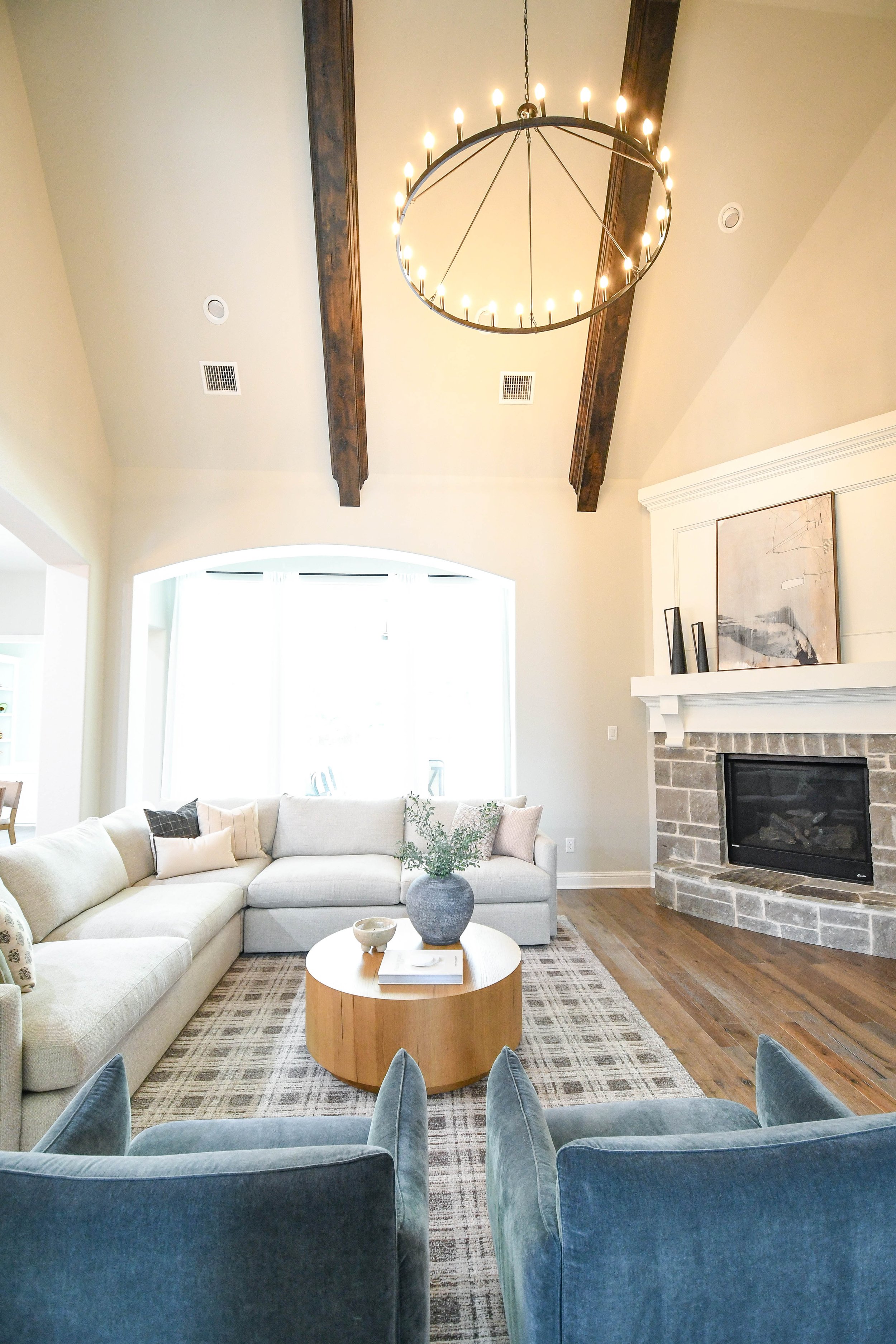
How the work goes
- Consultation. What the room is for, who uses it, what you already own, what you cannot stand about it now.
- Measure and photograph. In person or from what you send.
- Concept. Direction, palette and the key materials.
- Plan and renderings. Furniture layout, elevations for anything being built, and views of the finished room.
- Selections presented. Real products, real prices, real lead times.
- Revisions.
- Ordering and tracking.
- Install day. Delivered, placed, hung and styled, so you walk into a finished room rather than a pile of boxes.
When you do not need a designer
- You already know exactly what you want. If it is paint, a rug and a light fixture and you can see it clearly, buy it. Design earns its fee where there are decisions, not where there is a decision already made.
- The budget is entirely committed to construction. Say so at the consultation. We would rather scope you a short finish-selection package than sell hours you cannot spare.
- It is one small room with one obvious problem. Sometimes the answer is a bigger rug. We will tell you that for free.
The opposite is also worth saying plainly. If you are remodeling and you do not yet know what you want, design first is the cheaper path, not the more expensive one. Changes on a drawing cost nothing. Change orders after cabinets are ordered cost real money and real weeks.
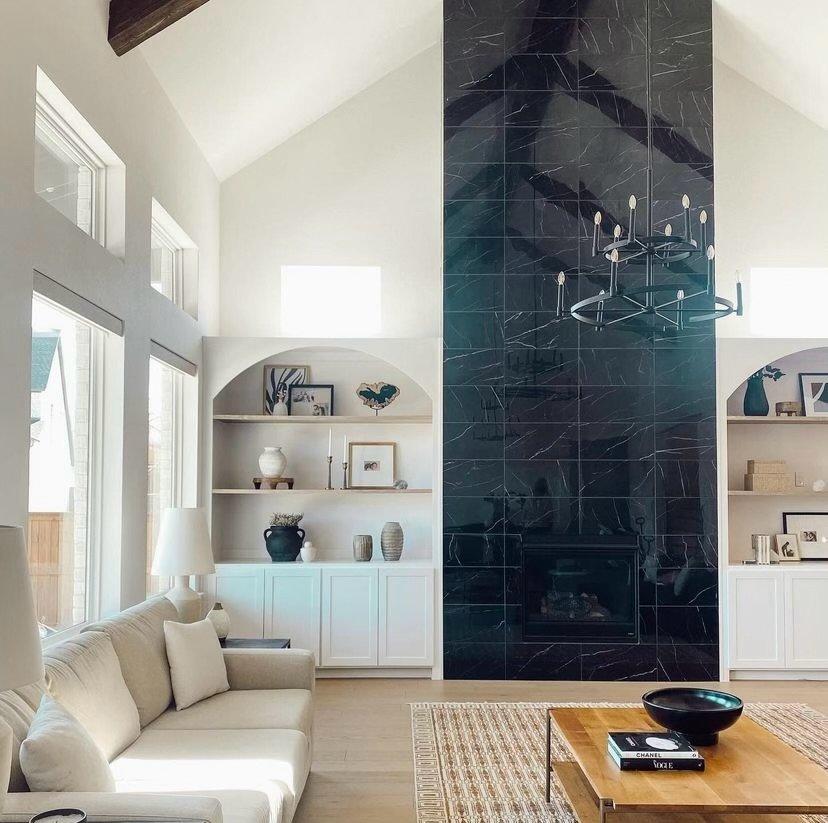
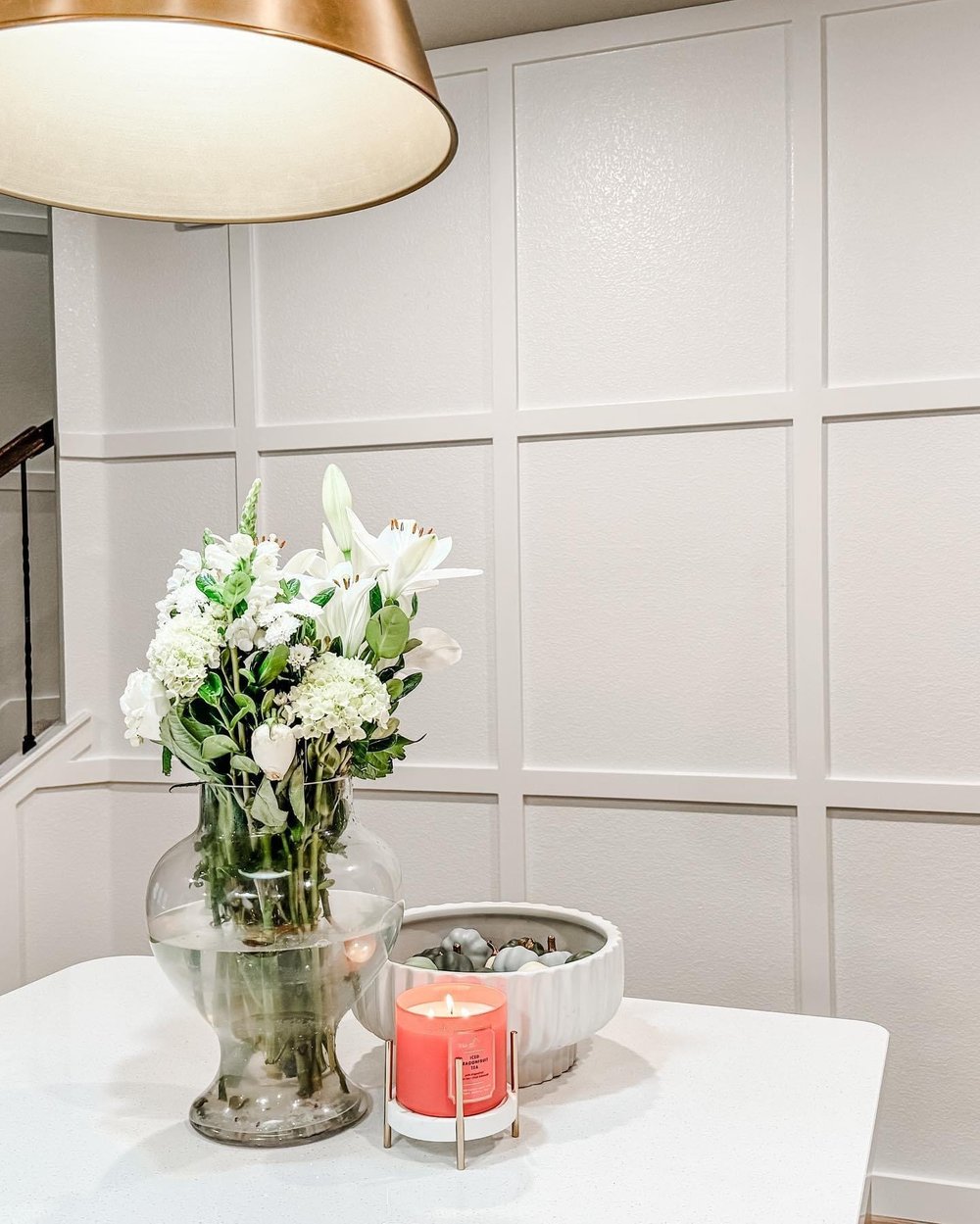
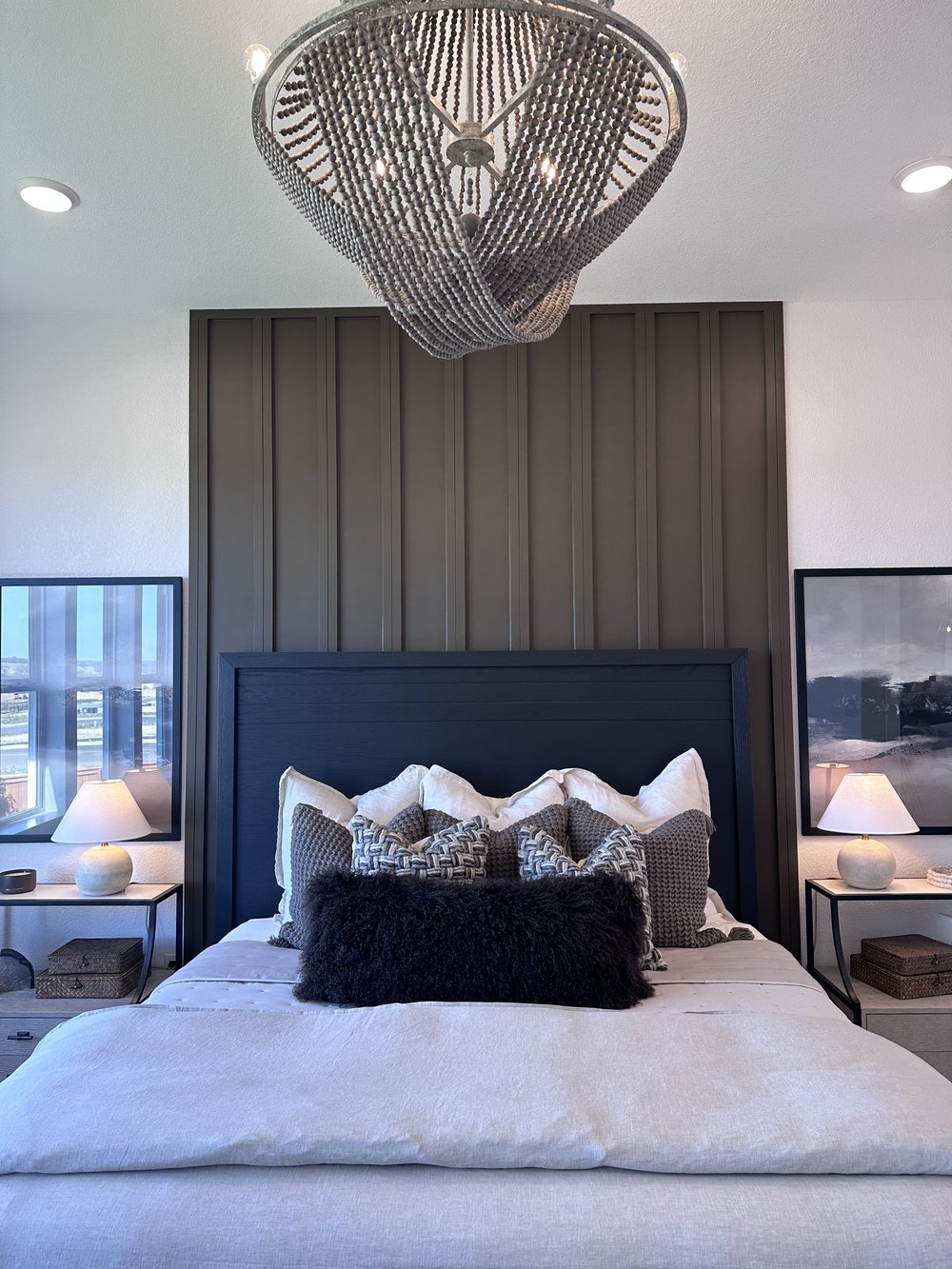
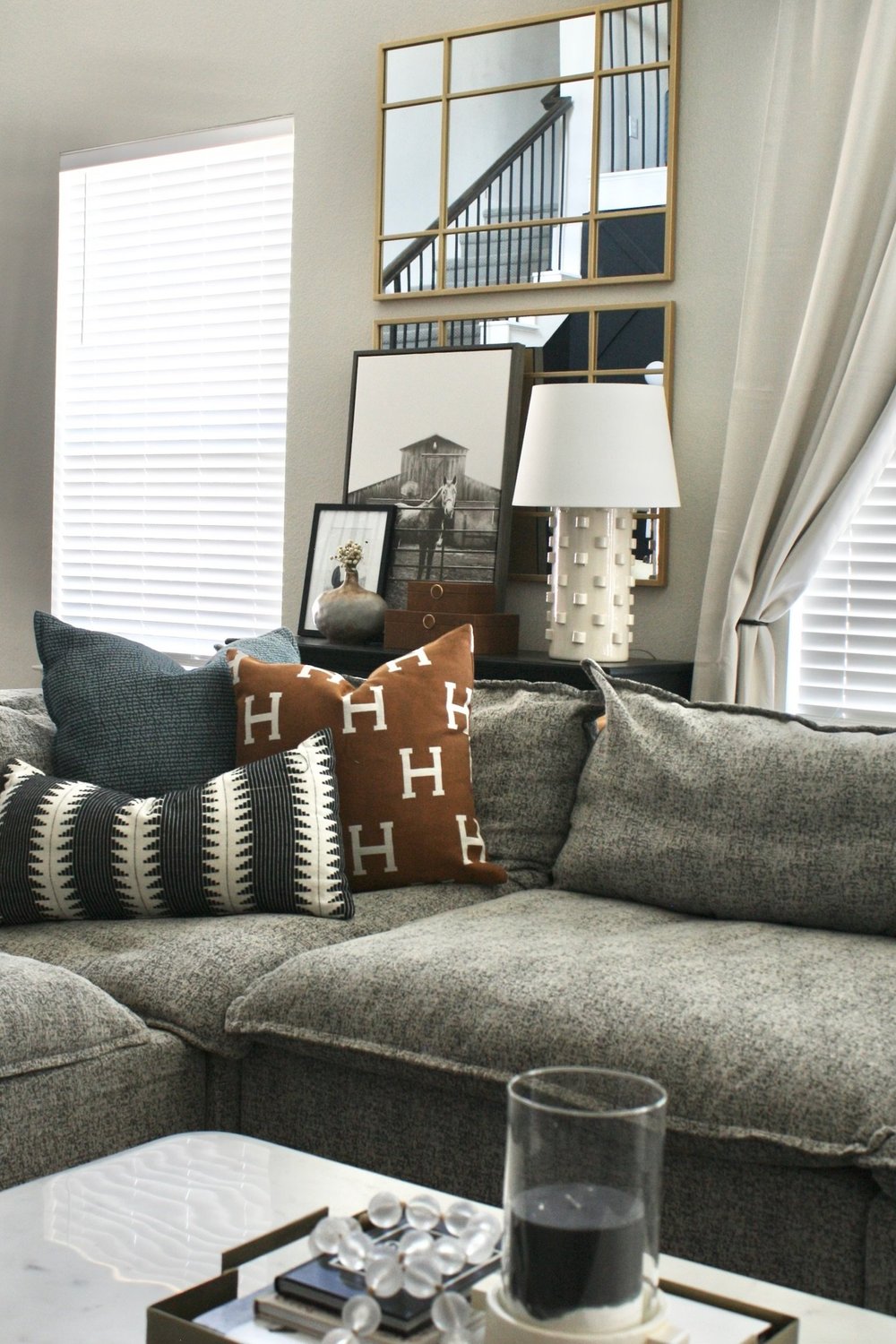
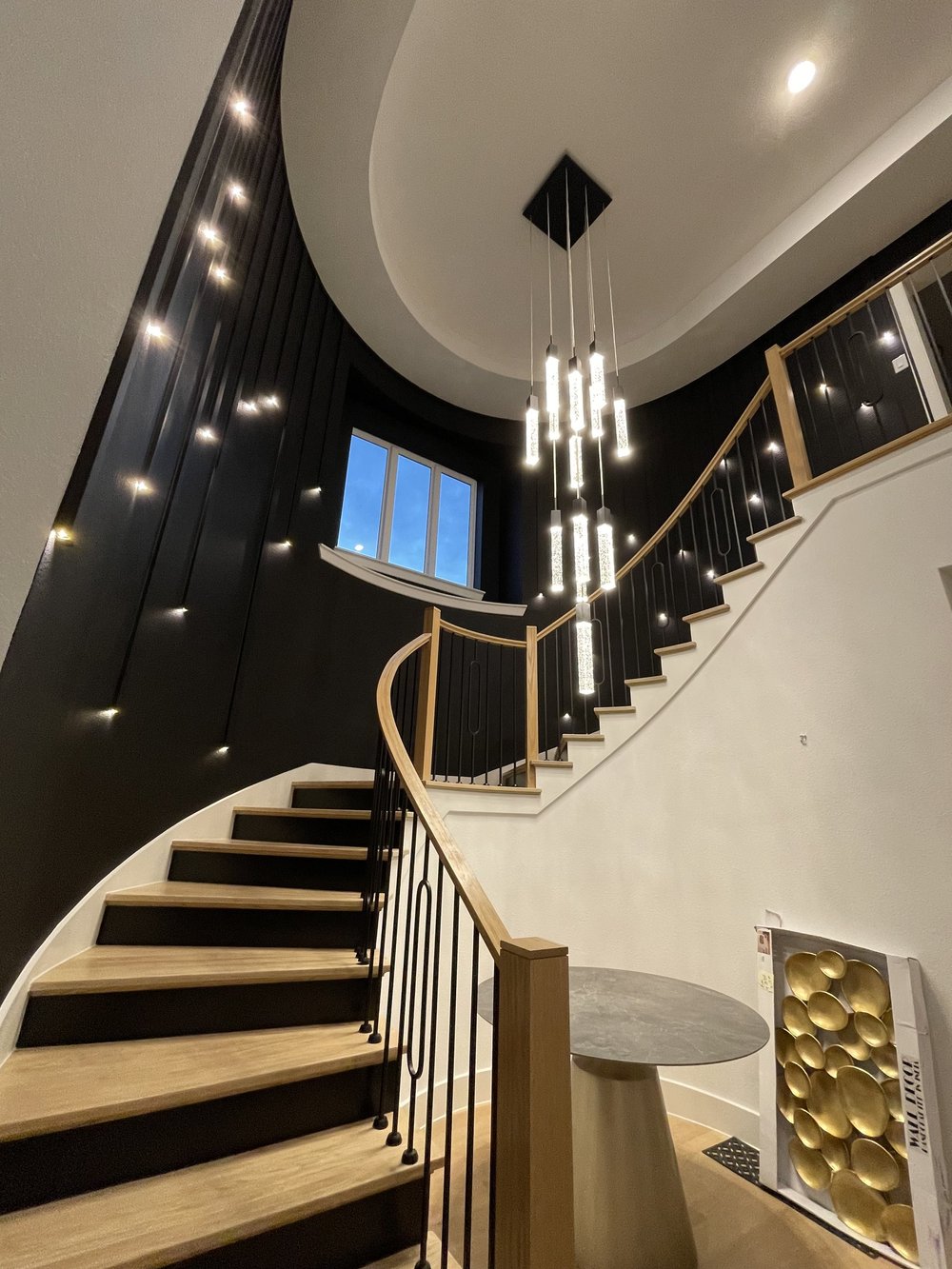
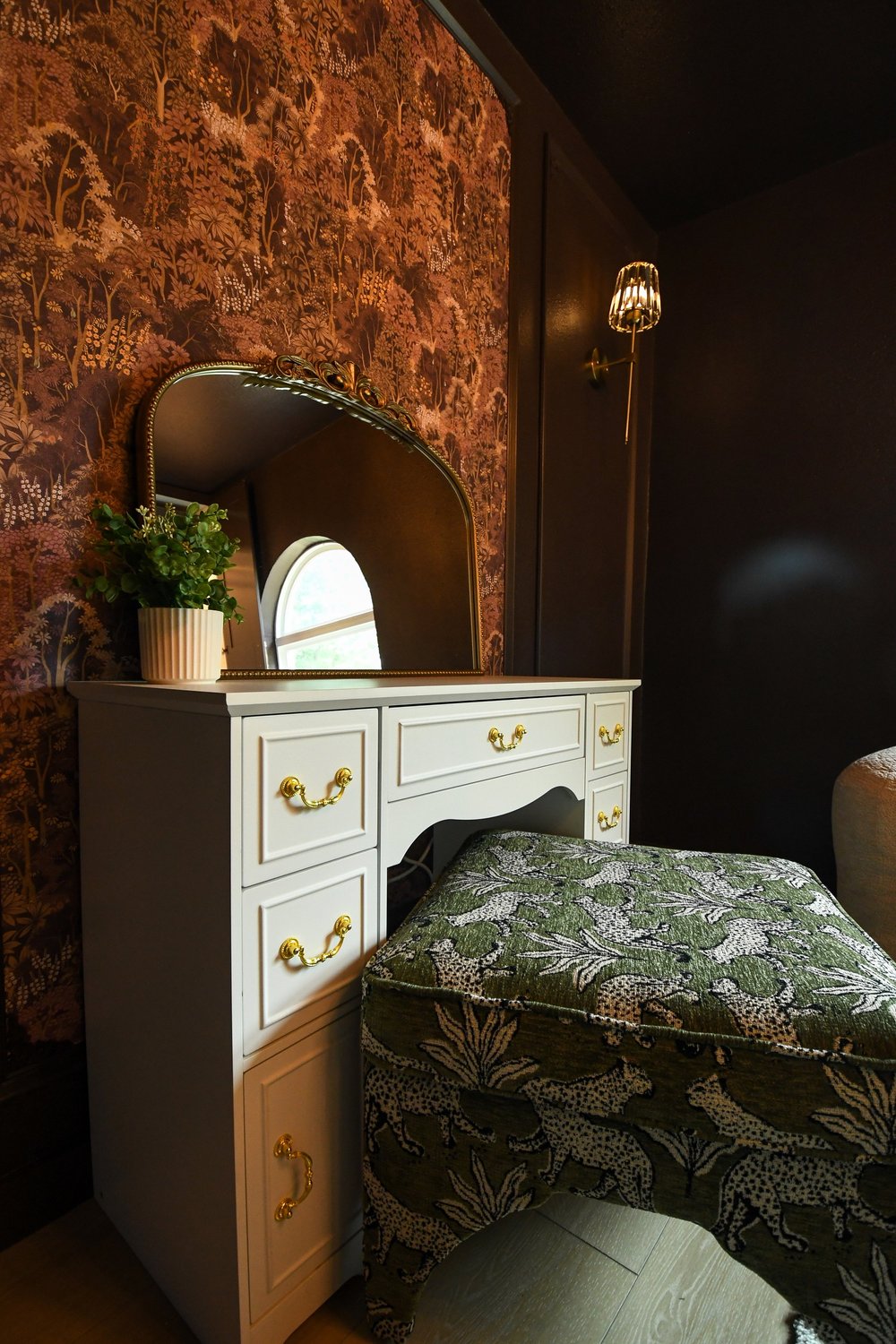
Interior design projects
Related services
- Kitchen remodeling and bathroom remodeling, where design and construction run together
- Custom accent walls for the architectural detail a room is missing
- Interior designer vs. general contractor: who should run your remodel
- Builder-grade finishes: upgrade at the design center or after closing?
- Wallpaper installation and interior painting to carry the palette through the house
Start with the plan
Book time with our designer and find out what your room needs before you spend anything on it.
Interior design in McKinney, Plano, Frisco, Prosper, Dallas, Carrollton, Celina, Allen, Aubrey, Little Elm, The Colony, Anna, Fort Worth and the surrounding DFW metro.